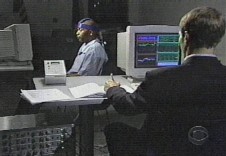
Wrongful convictions, prosecutorial misconduct, false testimony, are words that could be eliminated from criminal justice lingo by utilizing Brain Wave Science Technology, called Brain Fingerprinting. This evidence seeking device can save billions of dollars in trials, wrongful conviction lawsuits, discourage corruption and prevent the ruination (irrecoverable state of devastation and destruction) of lives.Dr. Larry Farwell, neuroscientist, developed an innovative technological forensic tool, Brain Fingerprinting, that processes brain waves to determine an individual’s knowledge or unawareness of crime events and can also verify an alibi.
“We present details that the suspect being tested would have encountered in the course of committing a crime but the innocent would have no way of knowing. Brain Fingerprinting testing detects information, the planning and executing of the crime,stored in the brain. It could eliminate bias, whether racial, economic or cultural,” said Dr. Farwell.
“Brain Fingerprinting fulfills a need for government, law enforcement agencies, corporations and individuals. Over a trillion dollars are spent annually in crime fighting, worldwide. It saves money from not incarcerating innocent people who could’ve been positively contributing to society, ” said Dr. Farwell, via phone interview.
HOW IT WORKS:
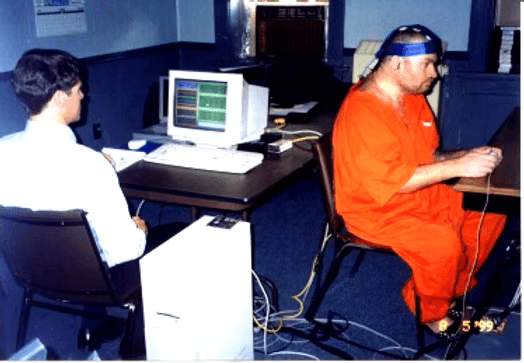
A sensor equipped headband attached to a suspect to identify brain wave responses measures electrical waves occurring at 300-500 milliseconds, Dr. Farwell named and patented P300 and the P300 MERMER at up to 1,200. It shows what a person knows or doesn’t know after stimulus is initiated, such as words or images that are flashed on a computer monitor. Three types of stimuli used include, targets or inevitably recognized objects known to be known by suspect such as news reports or interrogations, irrevelants or something incorrect and probes which are evidence from a crime scene, like a weapon or location where a body was found.
ADMISSIBLE IN COURT
In Iowa, Terry Harrington, Black,17, was convicted by an all white jury, of murdering a retired white police officer, in 1977, solely on statements provided by friend, Kevin Hughes, 16, motivated to avoid prosecution of the murder. Harrington served 23 years of a life sentence before being granted a new trial based on prosecutors, David Richter and Joseph Hrvol, suppression of vital evidence. Along with Dr. Farwell’s Brain Fingerprinting tests, on Harrington, with results that he had no knowledge of the crime scene, (information absent) and had knowledge of an alibi, (information present) the court decided not to retry.
“I confronted Hughes with the Brain test results and told Hughes, that is not what the brain says and he recanted his original testimony. We discovered the police coached him and gave information about the crime to use in the trial proceedings,” said Dr. Farwell.
“Hughes said, ‘I was Black, I was in jail and the prosecutors told me they were gonna send me to prison for the murder if I didn’t say somebody did it.” Harrington’s post- conviction statement reads, “I know I’m innocent…I’m going to keep fighting because I can’t see myself locked up for the rest of my life for something I didn’t do…I feel I was judged by the color of my skin and not the content of my character.”
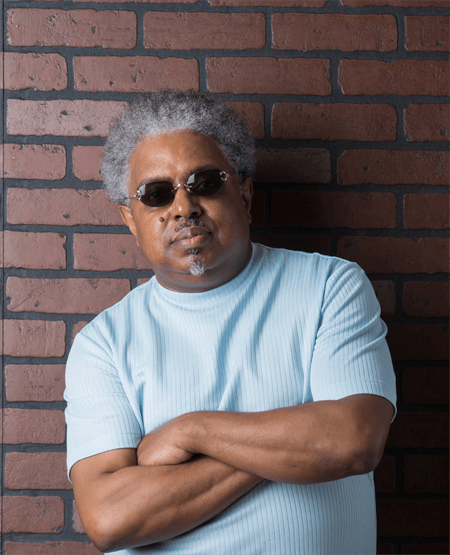
Harrington during brain test by Dr. Farwell
Harrington, who coached a Boy’s and Girl’s Club little league football team, was awarded a seven million dollar settlement in 2010. His co-defendant, Curtis McGhee, pleaded to a reduced charge, received time served and approximately five million dollars. Hughes died in 2009. Last year, Harrington’s $112 million civil suit against prosecutors, who claimed immunity, resulted in a mistrial.Iowa District Court Judge Tim O Grady ruled, in 2001, that Brain Fingerprinting testing met the legal standards for admissibility in court on scientific evidence. Those standards include: 1) has the science been tested, 2) been peer reviewed and published, 3) is the science accurate and found applicative and 4) is the science well accepted in the science community.
Dr. Farwell and his colleague, Dr. Drew Richardson, UNC-Chapel Hill alumnus and former FBI scientist, conducted Brain Fingerprinting studies performed on FBI agents, a CIA Real Life study, Bomb Makers Study and the Real Crimes Real Consequences $100,000 Reward study, with an error rate of one percent. The Reward study dared anyone to beat the test and the cash is still available, no one has won, even with cheat sheets. The doctors are published in several peer reviewed scientific journals including, Journal of Forensic Science (2001), and Cognitive Neurodynamics (2013).
“It seems to me that if we are interested in making sure the innocent go free and that the guilty are punished, any technological instrument that can help us make a determination of guilt or innocence, we ought to know about it,” Iowa Senator Grassley, statement for Change.org.
Dr. Farwell said Brain Fingerprinting does not decide guilt or innocent but added with DNA, finger printing, other valid evidence and common sense, provides judges and juries with more knowledge to base their decisions. He said DNA and fingerprinting is available in only approximately one percent of cases whereas the brain stores information indefinitely and cannot be manipulated or suppressed as with the polygraph test that feed off of emotions and physical movements. Truth serums, like sodium pentathol, help individuals talk freely but not necessarily telling the truth and is not scientific evidence.
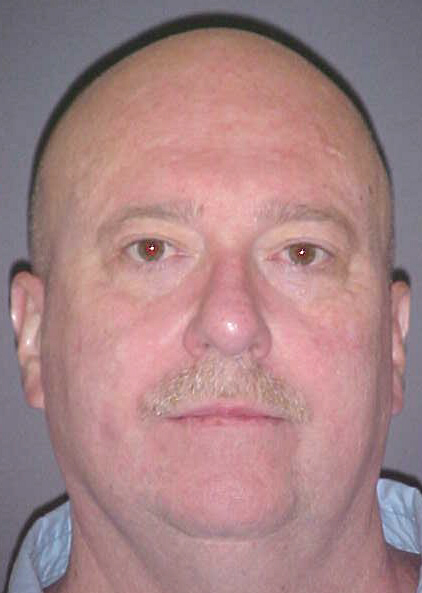
James B. Grinder, for 15 years, alluded prosecution in Julie Helton’s rape, beating and fatal stabbing, in Macon, Montana, 1984. Sheriff Robert Dawson, in 1999, enlisted Dr. Farwell to conduct Brain fingerprinting tests on Grinder which helped prove, with an error rate of one percent, that Grinder was guilty. Crime details, flashed in short phrases on a computer monitor, like the weapon used, specific killing method and the place where body was found, Grinder had the ‘information present’ grade. He confessed to not only Helton’s murder but three other young women and accepted a plea or life in prison, where he remains.
James Grinder tested by Dr. Farwell
Cooper vs Cooper in North Carolina
Brad Cooper, 39, of Cary, NC, convicted in the strangulation death of his wife Nancy, in 2011, recently, won an appeal for a new trial that Attorney General Roy Cooper (no known relation) plans to fight. The appeal, granted on grounds that digital forensic scientists were banned from testifying concerning a Google map search, the deciding factor in the conviction that defense attorneys claim to have been manipulated.
Could Brain Fingerprinting resolve this dispute?
The Brain test utilizes crime evidence, known to the perpertrator and investigators, not exposed via news reports, during trial or through conversations with lawyers or prosecutors, which could make it difficult for testers to discover unknown evidence, but not impossible. Dr. Farwell said he has a backlog of over 400 cases, and has limited staff because,” I haven’t trained enough people,” said Farwell. He said the affordable testing, $350 an hour, is similar to attorney fees.
Jimmie Ray Slaughter, executed, March, 2005. for the deaths of his eleven-month old daughter and her mother, in 1991, claimed his innocence until his last breath. In spite of Brain Fingerprinting test results in regards to critical knowledge to the murder, ‘information absent’, that supported his claim, Oklahoma denied Slaughter’s clemency. Farwell wasn’t allowed to conduct further test to Slaughter’s alibi.
Executed March 15, 2005 06:19 p.m. by Lethal Injection in Oklahoma
Court documents in Slaughter v State opinioned, “What we have are some interesting, indeed startling claims that are not backed up with enough info for us to act on them. Petitioner…and has alleged negative response to such information during Brain Fingerprinting testing is, at the very least, curious.”
“I’ve been accused of murder and it’s just not true. It was a lie from the beginning. You people would know it’s true some day. May God have mercy on your soul,” Slaughter’s last words.
Cooper’s, Harrington’s and Slaughter’s cases’ similarities include the exclusion of other suspects revealed or investigated, that all three men claimed in appeals.
Brain Fingerprinting will bring new meaning to the phrase, ‘beyond a reasonable doubt.’ Dr. Farwell’s innovative technology holds the key to truth and trust in the criminal justice system but scientists and lawmakers agree more research is needed.
President Obama allocated $100 million, this year, for brain research as a better way to treat conditions like Alzheimer’s, Autism and traumatic brain injuries, that could ‘improve the lives of billions of people worldwide.’ The wrongly convicted and accused hope this initiative includes their plight. Richardson’s statement, on joining the Brain Fingerprinting staff, predicted the future of this science.
“I envision that over the next 10 to 20 years many police officers and investigators will be trained as part of their regular law enforcement education to record elements of a crime scene for use in Brain fingerprinting just as they are careful to preserve DNA samples and fingerprinting. I wished more than anything to moving my efforts to create a safer, fair and more accurate justice system.”
“In the not too distant future, anyone who’s falsely accused will be given a Brain fingerprinting test, very early in the investigation. Authorities can then focus their resources on the real criminal. We as scientists have a responsibility to serve the public. For those of us who practice Brain Fingerprinting in the field, people’s lives and freedom depend on the science,” said Dr. Farwell.
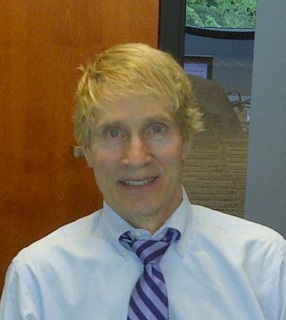
Dr. Farwell
Dr. Farwell, Harvard graduate, holds four patents and works internationally. Time Magazine selected him one of its 100 Top Innovators: Picassos or Einsteins of the 21st Century. His Brain Fingerprinting technology has been used to study the early onset of Alzheimer’s and the impact of advertising in television and newspapers in the U.K.
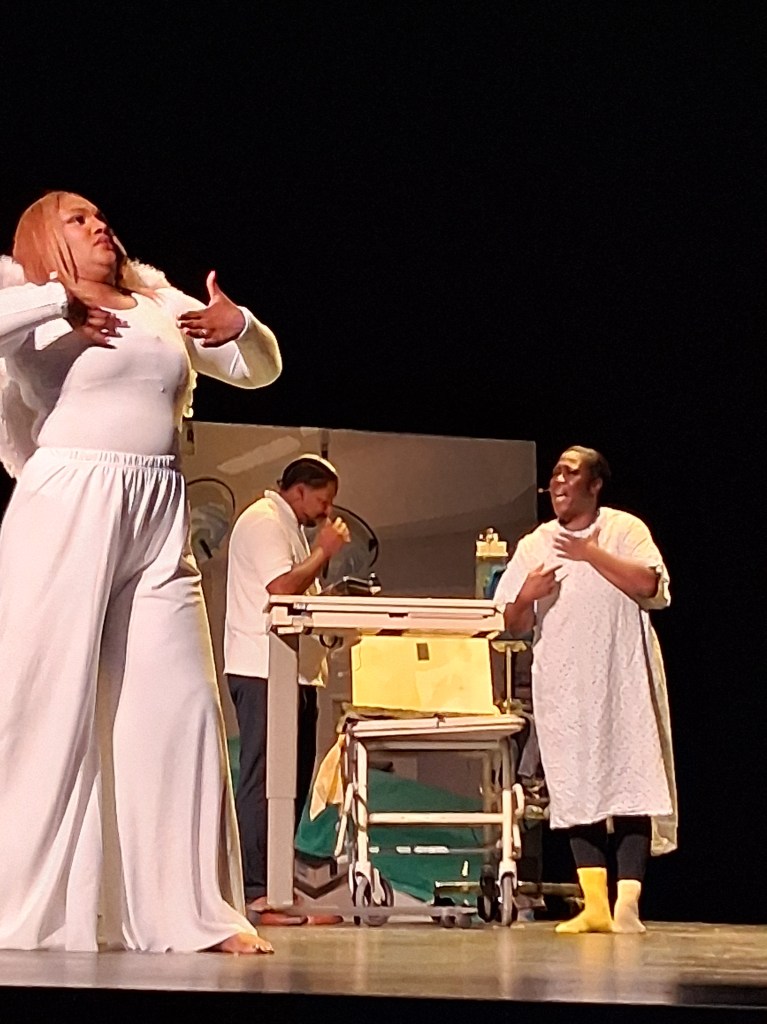
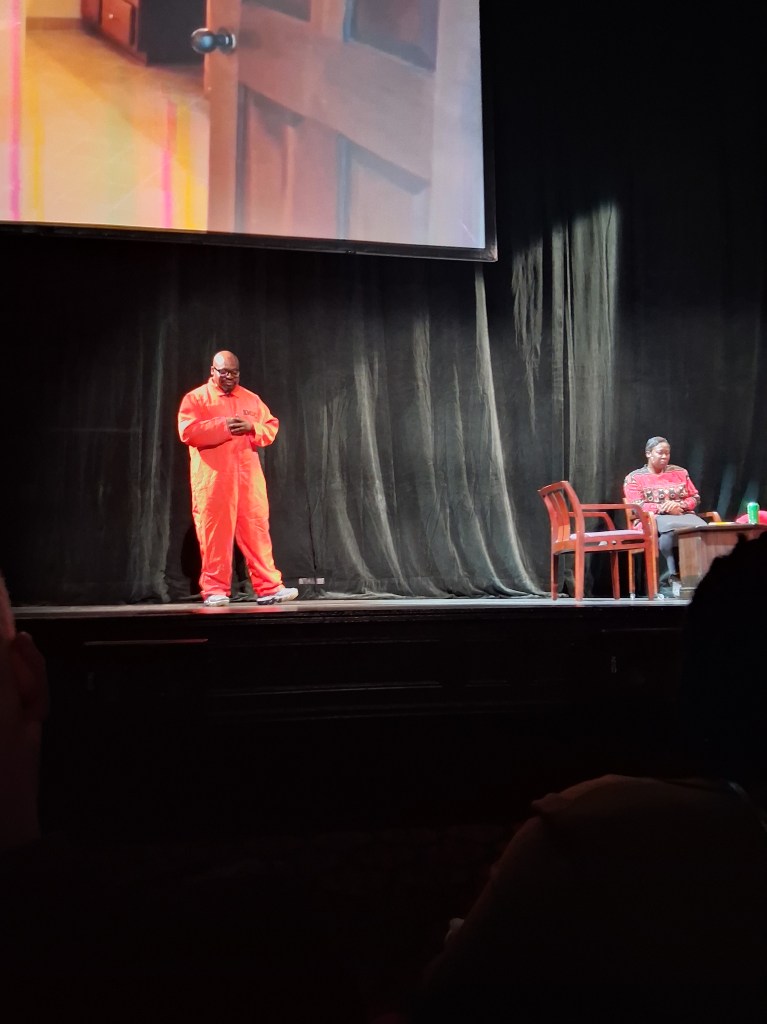
A theatrical performance, titled, The Lynched Among Us: Tales of the Wrongfully Convicted, that Michael Sutton said cast members “do a little more than acting,” presented at Cleveland, Ohio’s Playhouse Square, a six minute walk from the courthouse that leads the U.S. in wrongful convictions. The main characters, six railroaded men, include, Sutton, RuEl Sailor, Lamont Clark, Charles Jackson, Laurese Glover, in Cuyahoga County, and Lynched writer, Al Cleveland, in Lorain.
“We’ve lived through the unimaginable. Now, we’re using those experiences to build understanding, spark hope and create change in the criminal justice system,” said Cleveland, founder, Voices of Injustice, an organization formed by exonerees, to educate, advocate and create criminal justice reform through the arts.
The Blakk Jakk Ensemble, opened the play with their Ancestral Dance of the Formerly Lynched, and performances by Daniel Rice and Taquita Brown, intertwined through-out the two hour production before a sold-out arena on September 5th.
Sutton, arrested on stage at his high school graduation, incarcerated 15 years for attempted murder of police officer that lied and withheld evidence proving his innocence. He told his story on a different stage.
“I got a chance to express what I feel. Giving the world a glimpse to what I experienced. It’s like true crime, but it’s you. This is unique,” said Sutton.
Penitentiary Pain, a poem written and performed by Wallstreet Wes, takes the audience inside the prison cell; excerpt;
There is nothing fine
about being confined
Prison is painful
Sailor, spent 15 years in prison, framed for a murder he did not commit. His skit included an evil correctional officer, played by Jerome ‘Kiko’ Chambers, whose bark even made audience members jump.
Clark, spent 23 years convicted in the accidental death of his wife, known as the ‘Toilet Seat Murder’. His son, four-years-old, at the time, visited his dad as a grown man to find out what really happened to his momma and learns the role his maternal grandmother played in railroading his father.Jackson, began his 27 years incarcerated, at 27 years-old, for aggravated murder, freed by plea dealing, in time to save his nephew’s life by kidney donation. Nephew was Jackson’s protector from a family addict. Jackson said he saved my life and he ‘got to save his.’ Jackson’s rendition of Queen’s Bohemian Rhapsody sent shivers down the spine and some chuckles from audience members. His skit depicts the Dark Pleas, and official misconduct, often utilized in Cuyahoga County.
“Mama, they said I killed a man, put a gun against his head, mama, my life had just begun, but now they went and stole it all away…didn’t mean to make you cry…too late, my time has come”, lyrics eloquently sung by Jackson.
Glover, one third of the ‘East Cleveland Three’ wrongfully convicted as teenagers, served 20 years before a paid informant recanted, hidden reports discovered and the Ohio Innocent Project got involved. Glover, also performed in OIP’s Blind Injustice-The Opera. He said that opportunity was therapeutic with all of the singing, ‘It didn’t take me back I can speak about it.’
“I felt we had a great performance and we gave our audience a piece of our pain we endured during that dark moment of our lives. That day was heavy for me, I attended a funeral for a childhood friend,” said Glover.
Al Cleveland, The Lynched director, said Voices of Injustice started as a support group. “We didn’t know what we had, it just led to this. No casting calls, just us, friends and family.”
Cleveland, a part of the Ohio Four, imprisoned 26 years for a prostitute’s murder committed while he was in New York, he was 21.
“I wish and hope we can get more cases highlighted and people can understand the outrage. It’s bigger than wrongful convictions<” said Cleveland.
“What made us bonded happened naturally, organically. We worked on the play for about a year. We’d love to expand geographically, New York, Chicago, the South, to inspire others to tell their stories of wrongful conventions,” said Cleveland.
Attorney Kimberley Kendall Corral, a fierce fighter for the wrongfully convicted underdogs, shines in courts and in this production.
Profoundly supportive cast members, included, Roberta Sutton, Shamecka Nelson, Leah Winsberg, Draye Mitchell, Wesley Robinson, Willis McNeal, Joseph Atwater, Steve Chiller and Elaine Henderson-Turner.
Above the stage, posted large photos of actual court hearings, newspaper articles and the exonerees’ day of freedom from slavery, hearing the judges’ words, “You are free to go.”
“I’ve heard each of their stories hundreds of times, but, watching them perform themselves in their own plays brings so much more emotion than just hearing them speak of it. It brings the reality of what the innocent face before, during and after exoneration. Seeing them on the big stage was nothing less than incredible,” said Jeanna Kenney, organizer, International Wrongful Conviction Day, held Oct. 2, Cleveland’s Justice Center.
Cuyahoga County ranks 12th nationally in county exonerations, at 42, according to the National Registry of Exonerations, Ohio, ranks sixth, from 1989 to 2024, 85 exonerations and 64 percent Black and/or Hispanic.
The NAACP-Cleveland, The Returning Artist Guild, CSU Law, Caring Collab, Comma Club, Paulozzi LPA, FG+G-Until Justice for All and Building Freedom Ohio, sponsored the play.
The Lynched Among Us adorned the stage at Cincinnati’s School for Creative and Performing Arts, Warrensville Hts. High School and at Cleveland State University, with intentions to take the play national.
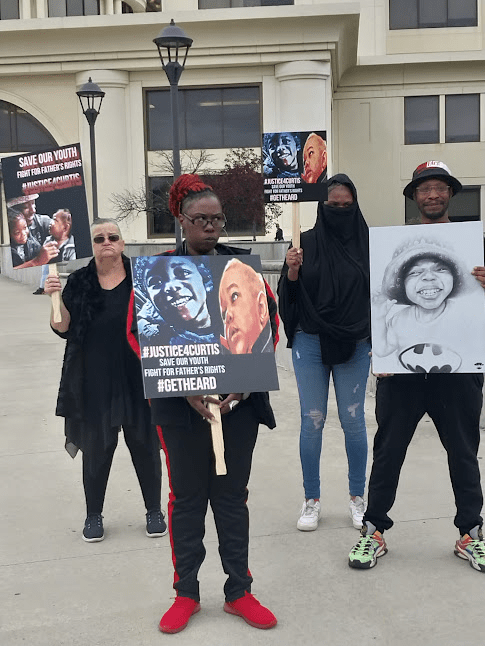
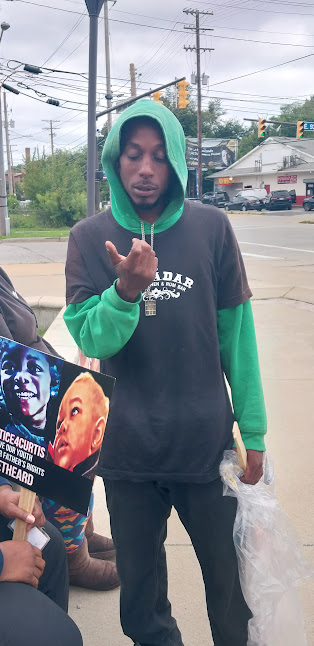
LaTorya Witcher lead a protest at the steps of the Cuyahoga County Juvenile Court, located at 9300 Quincy Avenue, on Wednesday, August 30. Witcher, paternal aunt of Curtis Witcher, three-year-old murdered, allegedly, by his mother, Timmeka Eggleton, 31, and several family members and friends demanded accountability and justice for Curtis. Alison Nelson Floyd, juvenile judge, ordered unsupervised custody to Eggleton just four months prior to Curtis’ death. During the protest, Floyd conducted a hearing for Eggleton who arrived via Cuyahoga County Sheriff’s van and escorted to court. Eggleton, 31, returned to North Coast Behavioral Health facility. August 22nd, Judge Brendan J. Sheehan ordered treatment to stand trial, as Eggleton pleaded not guilty to all charges by reason of insanity. The court docket states Eggleton is restorable. As the van rode by, protesters held posters with Curtis’ pictures, and hollered, ‘Justice for Curtis’.
Latorya Witcher in front, her godmother on left, artist on right
“I just wanted her (Eggleton) to see his last smile. I wanted to bring his picture into the court. I want her to see the picture of Curtis in a casket,” said Bobby Eddingburgh, Curtis’ father.
Damon Hart, no relation to this reporter, said Bobby fought diligently, trying to make a means to get his son back, he was happy when it happened, and Curtis loved his dad.
Wednesday’s hearing involved custody of Curtis’ younger two-year-old brother, JonJon, believed to be Bobby’s son, but learned in court, untrue.
“For two years, I have been his father, He knew me as his dad. I have lost two sons. I sit in my sorrows,” said Bobby.
Bobby, father of Curtis
Still, Bobby held pages of forms to request legal rights to JonJon, to keep him out of foster homes.
“I am torn, I have a difficult decision… they put me through so much to get Curtis, my own son, back…I’ll think about it though,” said Bobby.
June 14, 2023, Eggleton strolled, in the same stroller, Curtis and JonJon, to the Family Dollar store, 79th Euclid Plaza, and asked customers if she could use a phone. Curtis, appeared deceased, JonJon alive, according to witnesses. Ambulance transported both boys to University Rainbow Children’s Hospital where doctors pronounced Curtis’ death. Manner of death, homicide by blunt force trauma. Cleveland Police arrested both Eggleton and Bobby who was on his job, detained for 24 hours during the investigation that included bus transit videos. Eggleton, charged with aggravated murder, murder, felonious assault, and endangering children. She also has a pending grand theft case.
“We do not feel like justice was served when she (Eggleton) pleaded to insanity and gets to live in a mental hospital, while my nephew does not get to live, at all. We want accountability. Not just for Curtis, but for all children. Alison Nelson Floyd should be held accountable. This is not her first indiscretion,” said LaTorya.
She mentioned two prior Floyd transgressions, including, Demel Holiday, killed the next day after Floyd released his killer and the girls Floyd ordered to take lie detector tests in a rape case. A mother, requested anonymity, spoke of her costly ‘humps and hurdles’ in Floyd’s court for the last six years to gain sole custody of her now eight-year-old. Another mother discussed fighting the wrongful rape conviction, 20-years-ago, of her son in Floyd’s court.
Latorya said CPS took Curtis, born February 1, 2020, to foster care directly from hospital, seven days later. The foster family wanted to adopt and warned Floyd about returning Curtis to Eggleton. Floyd removed Curtis in July 2022 and granted Eggleton custody with supervision.
Russ Gates, Curtis’ appointed attorney, warned Floyd in a court motion that requested a continuance of the March 2023 hearing to further supervise Eggleton, Floyd denied and terminated the supervision. three months later, June 14, 2023, Curtis was tortured to death.
“The mother was verbally abusive, beyond what is typical, speaking in a very insulting and demeaning manner, as well as swearing and being dishonest…stated I would not be permitted into her house… unannounced visits are not permitted,” Gates’ motion reads.
“The court finds that the child’s continued residence in or return to the home of the mother, Timmeka Eggleton will not be contrary to the child’s best interest,” the judge’s order states. “The placement of the child is appropriate. The continued supervision is not necessary and not in the child’s best interest,” Floyd’s decision reads.
Alison Nelson Floyd, juvenile judge, Cuyahoga County, Ohio
“I do not want her ( Eggleton) to die. I want her tortured for the rest of her days. I want that judge, (Floyd) to admit she was wrong and be held accountable. My main purpose, now, is justice for Curtis,” said Bobby.
Cuyahoga County officials initiated an investigation into the entire case, including, actions conducted by the court, social workers and the parents,
In 2001, this journalist met with Melba Moore, for a Cleveland, Ohio, Black newspaper article, upon the release of her CD, I’m Still Here, and performance of her one woman show, held at a local church. Moore recently struggled through a difficult time in her personal, financial and professional life.
“I had to figure out how to survive,” said Moore, during an interview with Roland Martin, show host.
Moore, more than survived, is thriving, and coming to Charlotte, NC, April 22, 7:30 pm, to the Blumenthal Performing Arts Center, Stage Door Theatre, presented by, The Progress XChange, Inc. Joining Moore onstage, Paul Laurence, producer and songwriter, along with R&B group named, 4 P.M. (For Positive Music), from Baltimore.
Moore, the first Black Best Featured Actress TONY award winner, received the Joseph R. Biden Lifetime Achievement Award at Morehouse College in Atlanta, the Presidential Volunteer Service Award for her commitment to improvement within urban communities, and her star will be branded on the Hollywood Walk of Fame, 2023.
“Just reach for the highest star, even though your eyes can’t see, and you would find your destiny…have the courage to reach for the impossible dream…” lyric from the cut, “The Highest Star,” from Moore’s latest album, titled, Imagine.
Moore, a New Jersey’s Montclair State alumni with a BA in Music Education, taught music at a public elementary school prior to, the Broadway stages, the movies, on radio, a television show, Grammy nominations, said, her commitment to ‘give back’ continues.
“With every show I do, I want some of the proceeds to go to something worthwhile like educating the youth and assisting victims of domestic violence,” said Moore.
The message from Moore’s album and video, Imagine, is peace, love and taking care of one another.
“Can you imagine if love filled every street….no more hate, we’d all be free…Imagine a love displayed causing disloyalties to be erased…” some example lyrics.
Laurence, wrote the songs for Freddie Jackson’s, “Rock Me Tonight, for old times sake” and Moore’s “Love’s Comin at Ya”. The 4 P.M. group, formed in 1991, by brothers Roberto Pena Jr. and Reney Pena with Larry McFarland and Martiz Ware, toured Japan, and the U.S., recently released a new single and video, titled, “Some of the Time.”
Paul Lawrence, courtesy of thisismb.com
The Progress XChange, founded by Darren A. Barreto, provides high school sophomores and seniors in underserved communities the opportunity to increase the likelihood of gaining admission to college through tutoring and ACT/SAT preparation. Barreto said, for those who have the potential but don’t know how to procure those resources, led him to launch “the Xchange”.
Tickets for the charity event, prices $79.15 and $112.75, can be purchased at Carolina Tix.org
“We not only make noise when it is a white police officer killing us, unjustly. No, when anybody kills us, unjustly, we make noise. We don’t care if it is a Black hand that kills or a white hand,” said Benjamin Crump, civil rights attorney.
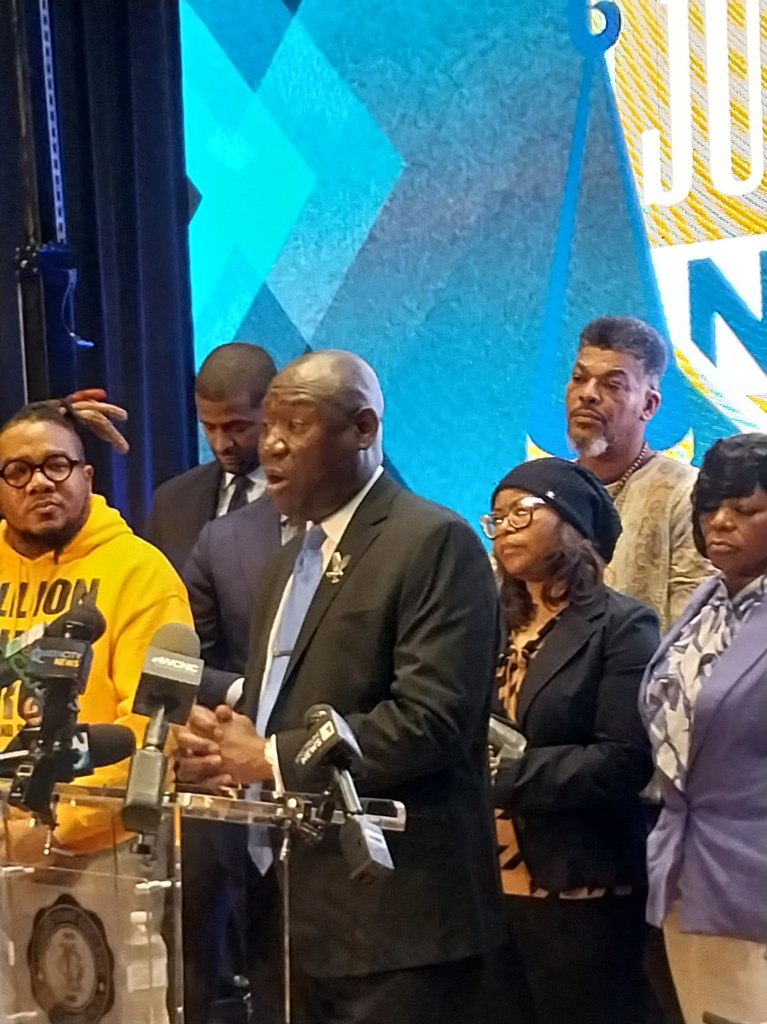
Mario Black, Atty. Ben Crump, Shanquella Robinson mother in purple
Crump brought the noise to HBCU Livingstone College, in Salisbury, NC, March 23, for justice for Shanquella Robinson, killed in Cabo, Mexico, October 29, 2022. Videos posted on social media showed Robinson brutally attacked by friends, now known as the Cabo 6, that vacayed with Robinson. Mexico issued a warrant, yet no arrests. U.S. Federal prosecutors announced, April 12, 2023, it declined to pursue charges against any of the Cabo 6. The official statement here;
“They murdered that sister. We’re demanding justice for Shanquella. Like Malcolm X said, Black woman been the most neglected, disrespected, most unprotected people in America…Today, we are here to become better informed, empowered, engaged, and educated,” said Crump.
Crump hosted the Equal Justice Now event, a non-profit organization established to fight against false arrest, bail reform, over policing, wrongful convictions, and systemic racism. A panel discussion, moderated by Eric Kowalczyk, Baltimore Police, and Attorney Bakari Sellers, former SC State representative, included, Charlotte Mecklenburg County Sheriff Gary McFadden, Germale Black, Salisbury NAACP president, JaPharil Jones, president BLM 757-Virginia, Dr. Latarcia Barnes, chair Livingstone Department of Criminal Justice and Sociology, James Buie, retired Gaston County police chief, Carleena Deonanan, defense attorney, and Melanie Reid, law professor at Tennessee’s Lincoln Memorial College.
“We all have to show up, not just when the national media is around, not just when the hype is there. I’m there 24/7,” said McFadden. “Police have not connected to the community. Have you held us (police) accountable after training? The community demands something, and we want citizens in a better place,” said McFadden.
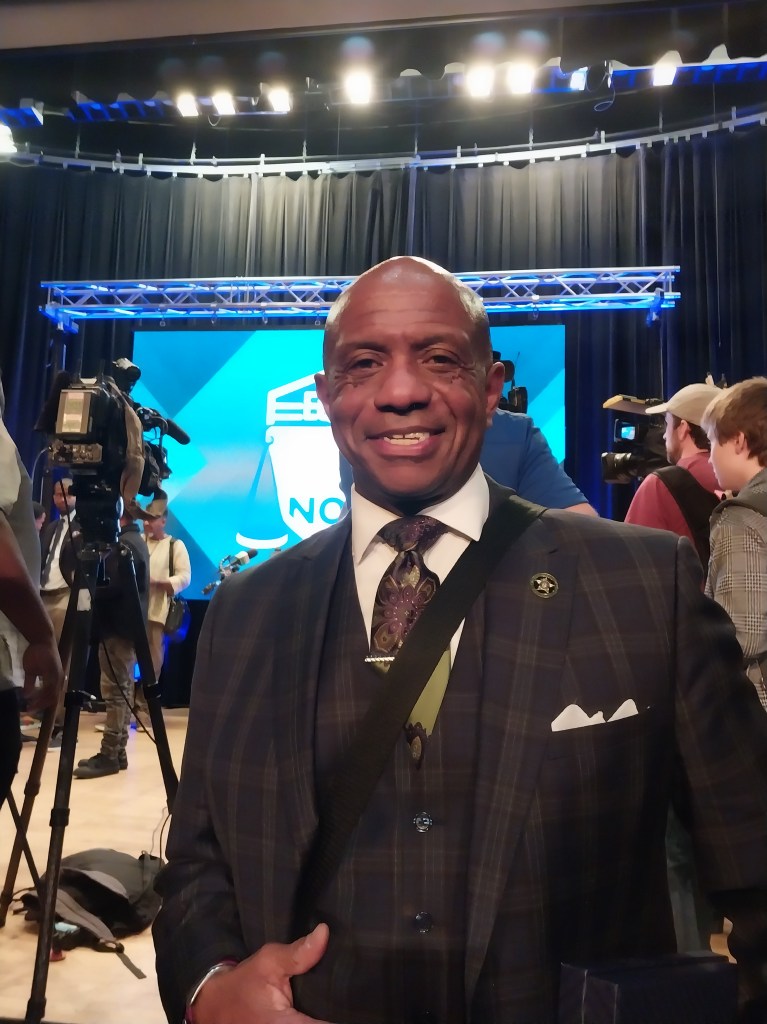
Mecklenburg Sheriff Gary McFadden
Justice fighters, from the beginning, came to make noise, including, Sallamondra Robinson, Shanquella’s mother, sister, Quilla Long, Mario Black, founder Million Youth March of Charlotte and Salisbury, Attorney Dominic Calhoun, National Civil rights activists, John C. Barnett, and Elliot Faace Vinson.
John C. Barnett and Elliot Faace
“Now, you are well armed to protest the school to prison pipeline, the denied access to health care, being wrongfully convicted, and all the injustice that plague our community. You all are very powerful, and you are our hope. We need your dedication and willingness to speak truth to power,” said Crump.
“There is a need for us to scream a little bit louder. We are here to talk about justice in North Carolina.
“I save myself working on saving children. A moment can change the rest of their lives,” said Brendan May, founder BFIT Big Dreams
May, a personal trainer, founded BFIT, a non-profit organization, in 2020, to address societal issues that hold back youth. The free Second Annual 5K, We Run Together, on April 1st, at Irwin Creek Greenway, 1520 Clanton Road, 12 p.m., Mays said, is an event to promote family and community unity and provide recourses for future success.
“Fitness is my thang and by me being a trainer, I realize youth needed physical development as well as mental and social. Too many of our children have no positive role male models, we need more,” said May.
May includes diverse activities such as, hiking, boxing, ice skating and boat rowing, to challenge youth, develop confidence and learn to fight for their dreams, not fight each other. Violence is a choice, he said.
Amber Hoff, program director and CMS educator, helps establish year-round youth experiences, including, summer camp, school break programs and educational activities. Financial literacy, reading proficiency, goal setting and social emotional learning round out the list of many activities. To set children’s dreams high, learning adventures included, Discovery Place, Charlotte IFLY, US Whitewater Center and McLaren, high-end auto sales.
“We include role-playing activities about bullying and gang violence to encourage positive decision-making that inspires positive behavior. We serve children that get put out of other camps, those on the verge of homelessness and those on the Autistic scale. We don’t turn any child away,” said May.
May’s ‘giving back to the community’ stems from personal trials and tribulations, he said he gave 14 years of his life to the NC government system via prison, started at age 16, charged as an adult for non-violent cases. A teacher told him he did not fit the mold for the high school he attended.
“Circumstances contributed to my prison time. I was the by-product of my environment. I’m saving myself working with these children. It’s fulfilling giving these kids the opportunities and experiences usually not available. I hope it leads to their dreams accomplished and they see beyond current limitations,” said May.
A mother commented on the BFIT Big Dreams web site:
Registration for Spring Break Camp, April 11th to 15th, at Progressive Church, 1609 Clanton Road, ends April 8th. cost, $75 before April 1st, after, $100. Enrollment for 2023 summer camp program, in July, begins May 1st. Contact May, at 704-458-8757, website, www.365BFIT.com or email, 365bfit@gmail.com. Vendor, sponsorships and donations encouraged.
Sponsors include the Right Moves For Youth and CMS Library, resource vendors committed, Alliance Health, Woodforest Bank, CPCC and Work Fitness.
May’s titles include, NASM certified fitness instructor, wellness coach, nutrition specialist and father of two sons.
“I can’t do her justice. I can’t capture the feeling, There’s such a story behind the sadness, pain and the integrity. I was drawn into the face. It still bothers me,” said Linda Laisure, activist, painter, a site visitor with the H.O.M.E Foundation.
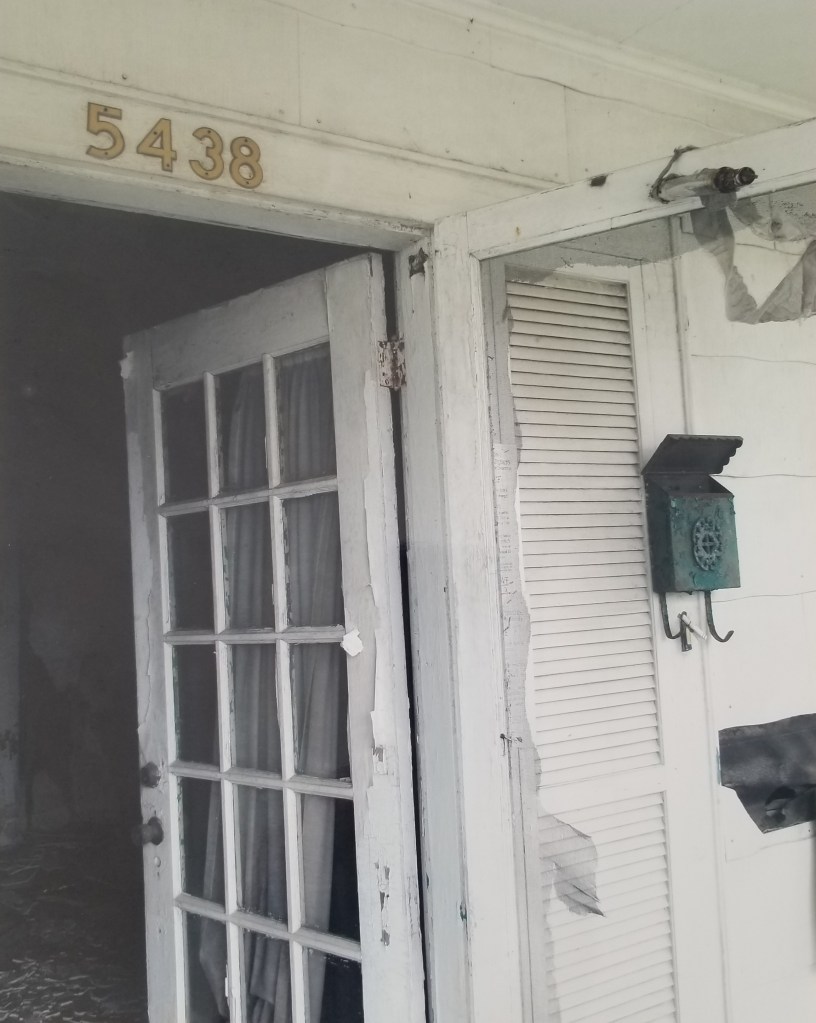
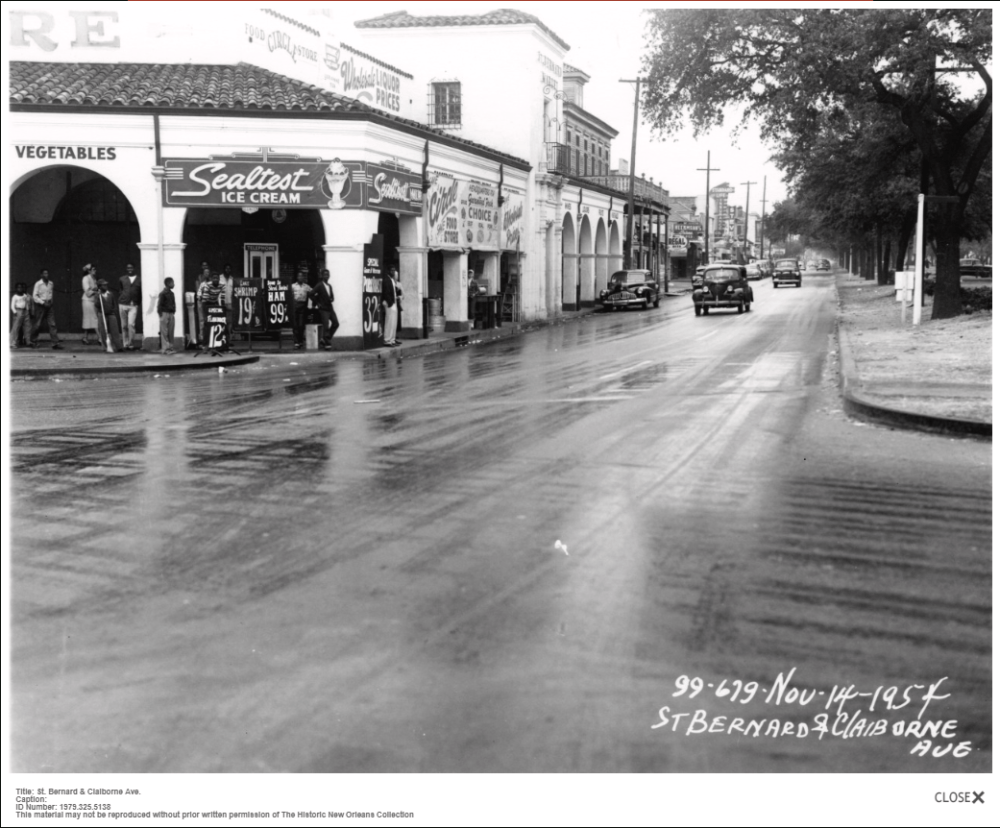
Laisure, in 2010, five years after the devastating Hurricane Katrina, ventured to the Lower Ninth Ward of New Orleans, where she discovered a portrait on the wall of a home to be demolished, located at 5438 N. Claiborne.
Photo by Linda LaisurePhoto by Linda Laisure
“I went back I could not see this beautiful photo be destroyed. It was the only thing left on the wall. It was so personal. I’m trying to get this to her relatives, for memory sake,” said Laisure.
Laisure, ventured to the New Orleans Department of Vital Records, discovered a name, Lucinda Rought, associated with the Claiborne address located in an area known as, ‘The Main Street of Black New Orleans’, according to the New Orleans Historical Society.
The Main Street of Black New Orleans
During Jim Crow era, Blacks forbidden to shop in white establishments, created the oak tree lined ‘Main Street’ that consisted of Black owned businesses including; life insurance, restaurants, tailors, dress shops, a grocery store, pharmacies, dentist, doctor, funeral homes, schools and jazz clubs. Freed slaves, the enslaved, West Africans, Indigenous people, and Caribbeans, possessed the highest percentage of Black home ownership in the Treme’ neighborhood, the oldest Black neighborhood in the United States, where HBCU Dillard University originated. Ninth Ward suffered the most destruction, entirely submerged by floodwater, when Katrina hit, August 29th, 2005, according to the Claiborne History Project.
“This was where everything happened, where African Americans were welcomed and wanted,” said Raynard Sanders, co-founder of Claiborne Avenue History Project.
BLACK MARDI GRAS
Thousands of Black revelers crowded Claiborne Avenue during Mardi Gras. Founded in 1909, the Zulu krewe was created due to the carnival parades in the city being segregated. Inspired by a play about warriors in a Zulu village, in 1910 the Zulus appeared in their first carnival parade. The krewe uses balls, parties and social events to raise money for African Americans suffering financial hardships. One of their most well-known events is the Zulu Coronation Ball, known to locals as the Zulu Ball, which is held the Friday night before Mardi gras (Fat Tuesday). The ball is a black-tie, formal event and honors the coronation of the king and queen, according to Black Southern Belle, The History of Black Mardi Gras.
Mardi Gras Indian krewes have a Big Chief. The spectacular aspect of these particular krewes are the costumes worn, which are usually the wearers take on Native American regalia. Many suits are colorful and display folk art and cultural symbols. They wear elaborate costumes that honor both African and Native American ancestry as a way to commemorate their shared oppression.
Courtesy of Smithsonian Magazine
Native Americans were originally enslaved in Louisiana. Shortly after, enslaved Africans were brought to America during the transatlantic slave trade.
The Cultural Symbolism Iron Work in banisters, balconies and fences,
West Africans, historically known for iron working skills, known as blacksmiths, embedded messages into banisters and balconies that adorned homes, churches and businesses. Symbols of West Africa, called Adinkra, provided a way of speaking to their people. The symbol, Sankofa, represents the importance of learning from your past, other symbols represent the benefits of earth’s preservation, unity, hope, and ‘that which cannot be burned’. Two fires destroyed New Orleans, with its many wooden structures,1788 and 1794, France enslaved Africans to rebuild New Orleans. The Blacksmiths were forced to participate in the suppression of other Blacks, made handcuffs, shackles and jail bars. The metal structures still bear the marks of West African culture signifying ‘resistance to oppression’, Sidney Holmes, author The Untold Story of Black Blacksmiths.
Sanofka
Rought’s portrait currently hangs on Laisure’s wall, as she continues the search for family or friends.
Linda Laisure
“The pathetic reality is that we continue to ignore our past and the inequities of people of color and poor whites throughout the United States beginning with government broken treaties with Native Americans.,” said Laisure. “Thank God there are social service agencies, religious and non-religious and just folks that want to make a difference in a kinder and better world.”
Side note: Your Honor, a Hulu series, depicts life in the 9th Ward, interesting.
Nathaniel ‘Guitar Slim’ Savage, rocked stages with his guitar, Down Home Blues songs and fancy leg work, for over 65 years , primarily at Cleveland’s Cascade Lounge, located at 8012 St. Clair Avenue and other venues across the country. Slim rocked to the end of his life, died, October 7, 2017, from a heart condition, at age 82, while performing on stage with Earl the Pearl and the Blues Posse Band, at the VIP Lounge, 3029 Woodhill Road. Fox8 TV news investigation revealed some 911 callers provided the wrong address as Woodland Avenue, thus delayed medical attention.
“He (Slim) was riding his guitar and he just dropped to the floor,” said Chip Fitzgerald, his band partner of over 40 years.
Slim, on a Fender guitar, sang his last song, Howlin’ Wolf’s Smokestack Lightening; with lyrics, Whoa-h, fare-you-well, Never see a you no more, why don’t you hear me cryin?
“If I fall and I can’t get back on my feet, it is time for me to go. Take my ashes and sprinkle on the garden for fertilizer,” said Patrice Savage Marshall, as one of her father’s last messages. “He was resuscitated but didn’t stay up.”
Slim rode with his guitar since the age of 12, born in Fuman, Alabama, March 2, 1935, a sharecropper, when an uncle from Cleveland brought one back home. Before then, he created one, used a stick, rubber bands and a nail, according to Savage-Marshall. She said he was self-taught and could not read music. In 1956, Slim relocated to Cleveland and performed in venues including, Smitty’s, Skeet’s, Lancer’s and voluntarily for seniors at Ru-Clare’s Adult Day Center. He transformed from farmer’s overalls, in the daytime, to the sharpest suits that matched his guitars and cowboy hats,at night.
Slim at Ru-Clare, 2002, photo by Celeste Hart
Slim produced eight daughters and one son who followed in his dad’s guitar playing footprints. The family and dedicated friends petitioned,with over 300 signatures, for the street, 82nd and Hough Avenue in Ward 7, to be renamed in Slim’s honor. Marshall plans to produce a documentary about Slim’s life.
“My dad has contributed to the Cleveland community for many years, over 60 years, in many ways, through his music, his gardens and fishing. He played all through the South and the North. He taught others how to play and survive,” said Marshall.
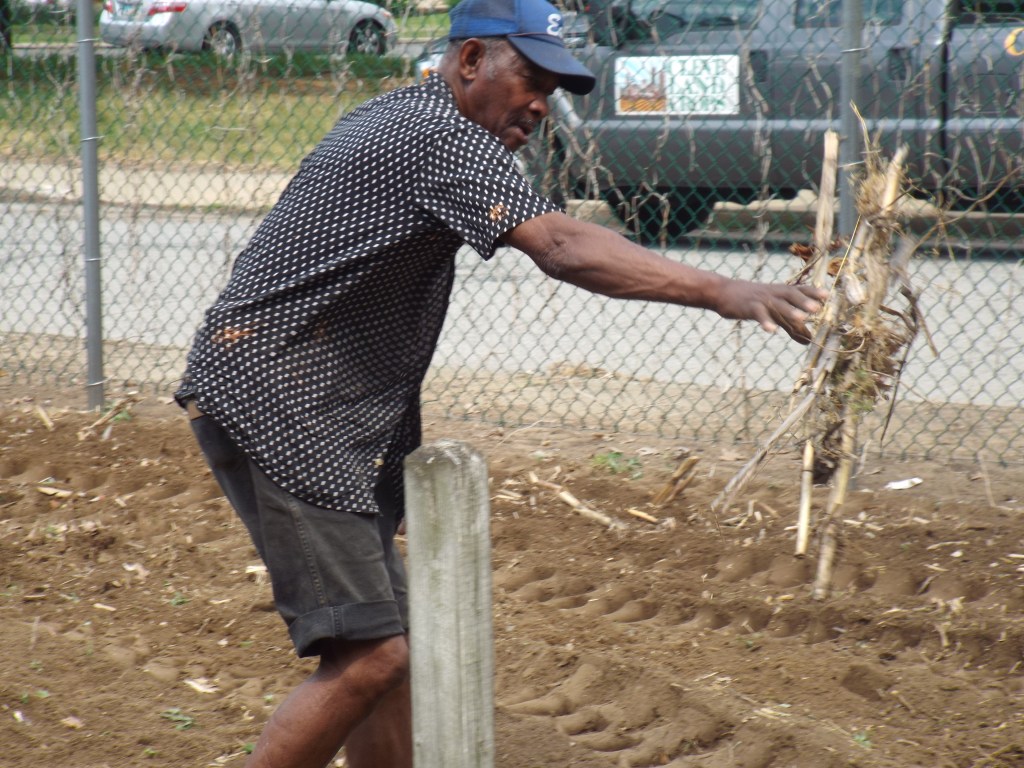
Daughters, Marshall and Rhonda Savage, who also sings the blues and granddaughter, Diamond Brown, maintain his legacy through the seven gardens that produce vegetables and fruit, including, greens, watermelons and peaches, located in Ward 7, called, Nate’s Corner, 4 Seasons of Freshness, Slim left behind.
Slim, honored by several establishments and organizations including the Cleveland Blues Society, Skeet’s Lounge in 2022, and inducted into Cleveland Blues Hall of Fame, in 2010, left a strong legacy. His Proclamations include recognition from former mayors, Jane Campbell and Frank Jackson, Cleveland and David Smith, North Randall Village. The Blues Society hosted a Slim memorial tribute concert, at Beachland Ballroom, the first birthday after his death, March 5, 2018. Musicians included, Crazy Marvin Braxton, Travis ‘Moonchild’ Haddix, Ms. Butterscotch, Bob Frank and Wallace Coleman.
Online tributes from musicians and fans across the country:
“We vow to help keep his memory alive by playing his original music on Music FoUrEars AM 1490 radio”–Kent N. Angelica
“I would like to thank you, Guitar Slim for giving me a song to sing and a chance to be on stage with you, in 1975, that’s when I knew I was going to be the BEST entertainer I could be—Angelo Solowkei
“He was a great and timeless spirit passing through this world..the greatness of his talent, his joy and love and constant contribution to this world—David ‘Ozy’ Ozenbaugh.
“Guitar Slim could play anything with strings, any guitar, a Gibson or whatever. And he was left-handed, but, he learned to play with his right. When he played with that copper pipe, that slide, nobody in Cleveland could play that slide like Slim. I am toally supportive of any endeavors to keep is legacy alive,” said Victor Smiley who played with Slim, 60 years.
Slim always said, as his intro before performing,
“Ain’t nothing but sometin to do. Look out.”
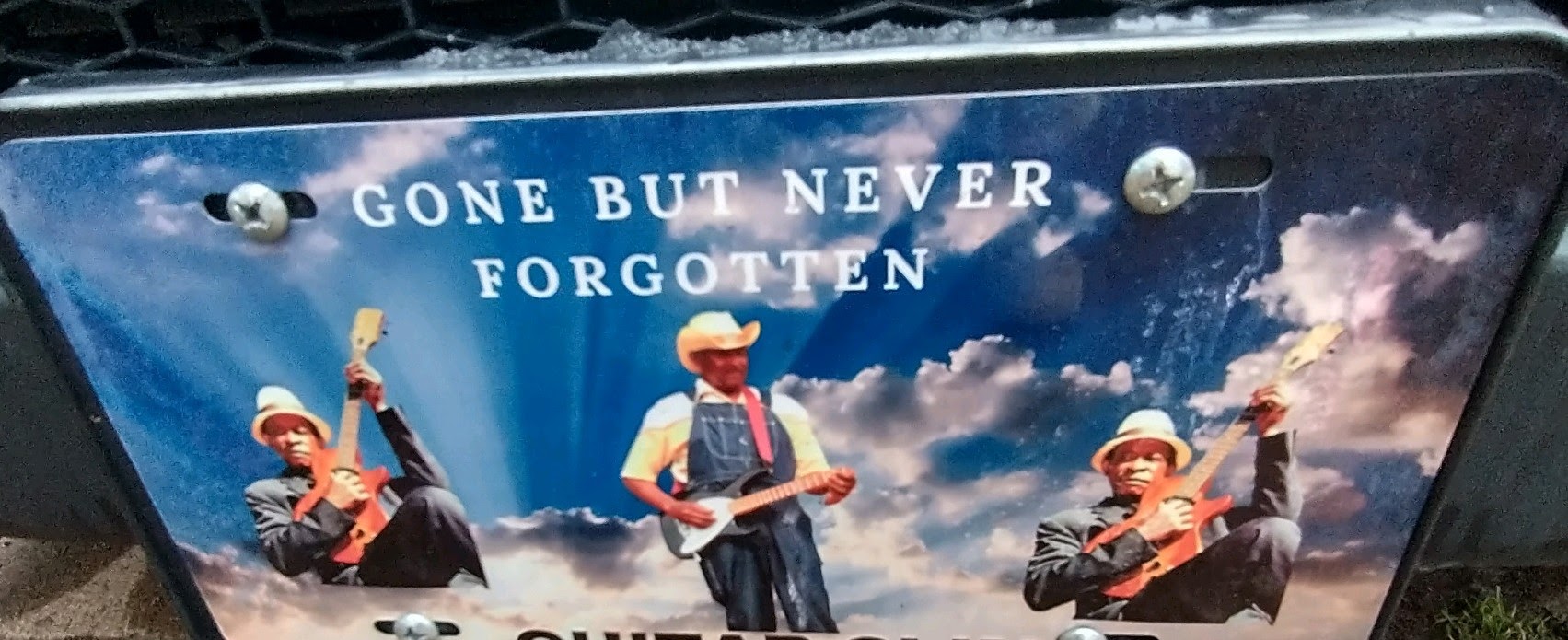
Patricia Marshall front car plate
Guitar Slide, involves playing a guitar while holding a hard object (a slide) against the strings, that reflect characteristics of the human singing voice. Most players of blues slide guitar were from the southern US particularly the Mississippi Delta, and their music was likely from an African origin handed down to African-American sharecroppers who sang as they toiled in the fields) Wkipedia
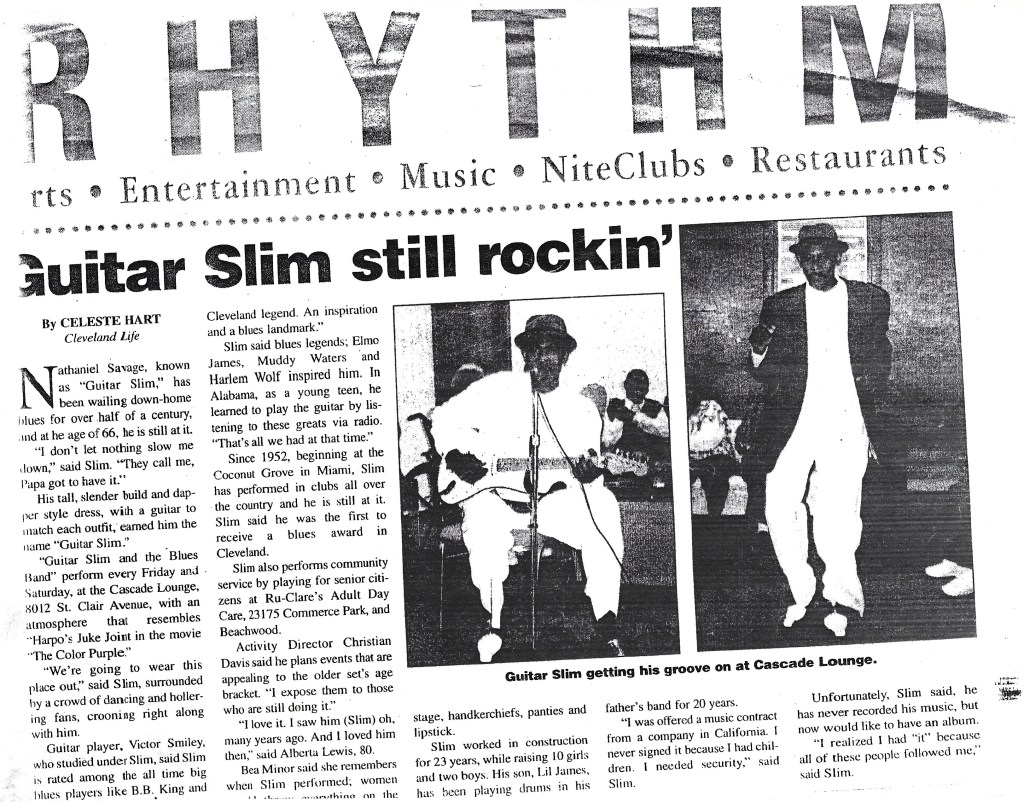
Guitar Slim article from 2002 written by Celeste Hart. His dughters found me through this article







:focal(1774x1318:1775x1319)/https://tf-cmsv2-smithsonianmag-media.s3.amazonaws.com/filer_public/2f/cd/2fcd3f01-ac5a-4702-9323-a8fd6a2694d6/super_sunday.jpg)



 theovergroundpost